
Philadelphia's Real Estate Leaders
We are real estate professionals with your highest interest in mind. It is our mission to provide quality service and assist you with all aspects of the home buying or selling process.
Real Estate Services

Buyers
Buying a home is a big step and a competent professional real estate agent is your lifeline through the entire process. Let our professional experts guide you every step of the way.
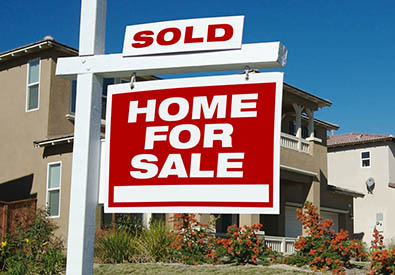
Sellers
To make the home selling process go smoothly, you'll need the services of a professional real estate expert team. Let us represent you and make the home selling process easy for you.
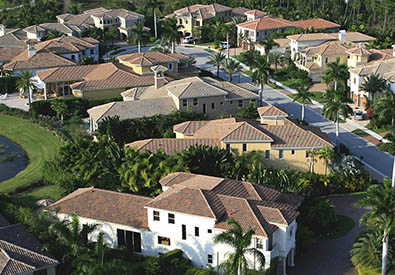
Property Search
Find your dream home! Use our property search tools and find properties matching your criteria. Receive new listings by email daily. Let us find the perfect home for you.
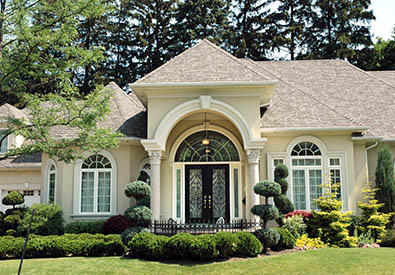
Home Valuation
What is my home worth? Knowing how much your home is worth is a highly valuable piece of information. Let us assist you with a Competitive Market Analysis of your home.
Gregory Damis - Certified New Homes Specialist (CNHS), Berkshire Hathaway HomeServices Fox & Roach, REALTORS®

Philadelphia's Real Estate Leaders
The role of a real estate agent is to guide you through the buying or selling process, taking the time to make sure you understand every step of the transaction. We are absolutely committed to using our years of experience to fulfill your needs.
Our commitment to your happiness is the foundation from which a solid business relationship is built. Simply put, your satisfaction is our greatest reward. Our business has been built on solid and unwavering foundations, and we look forward to putting our expertise to work for you.
Team Damis Members
Featured Listings
View More
Philadelphia, PA 19106
12828 Sq Ft
$3,390,000
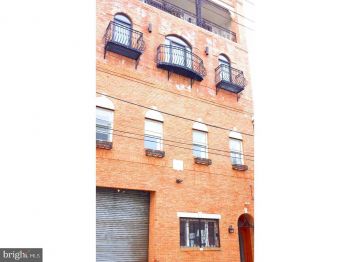
Philadelphia, PA 19147
17152 Sq Ft
$2,250,000
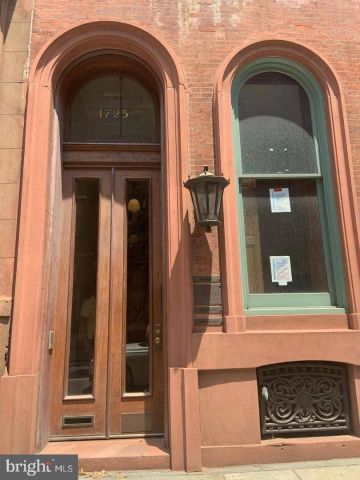
Philadelphia, PA 19103
6BD, 6BA, 5050 Sq Ft
$1,750,000
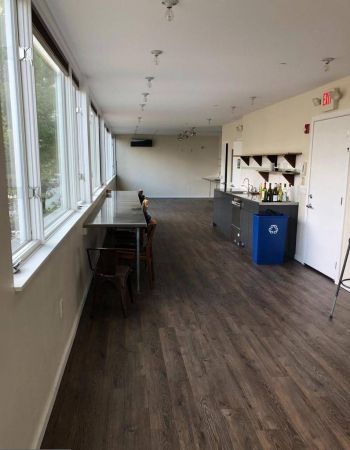
Philadelphia, PA 19145
963 Sq Ft
$315,000
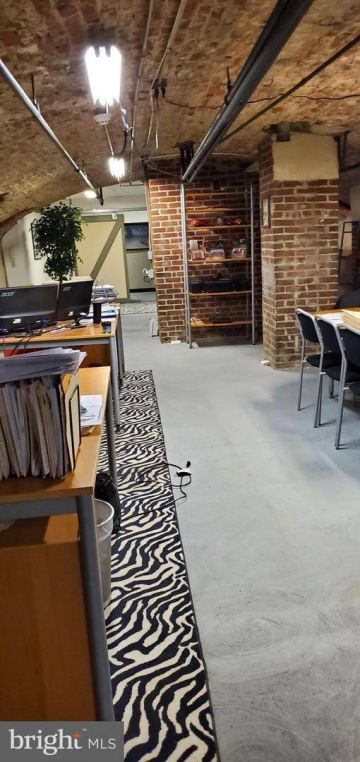
Philadelphia, PA 19106
1145 Sq Ft
$213,750
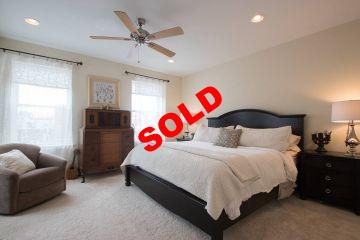
PHILADELPHIA, PA 19147
3BD, 3BA, 2114 Sq Ft
$999,000

Philadelphia, PA 19136
$925,000
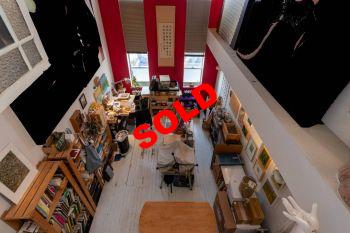
PHILADELPHIA, PA 19147
3BD, 3.5BA, 3950 Sq Ft
$910,000
Make a Difference in Your Real Estate Experience with the Right Real Estate Agent. Contact Us Now!
Team Damis Attributes
- Experience In his three decades of service to the Philadelphia community as a responsible Realtor, Greg and his Team have put together Buyers and Sellers in over 2000 successful transactions under Team Damis.
- Commitment Dedicated to being on the cutting edge in the field of real estate and to giving our clients the best service possible, our Team continues to earn advanced certificates. We have been awarded numerous sales awards placing the team in the top 1/2% in their field. Greg holds PAR Excellence Life Member Status (only 1% in the state of PA awarded) and was recognized as a Certified New Homes Specialist, given the Epic Award from Prudential Fox & Roach and the Epic Award (Professionalism) from Fox & Roach (5 Years of Perseverance, Expertise and Consistency).
- Hard Work To make certain we are always accessible to our clients, Team Damis works long hours every day. We assure all of our clients who trust their futures to us, "Your satisfaction is our reward!"
- Enthusiasm Team Damis' devotion to our clients, our neighborhood, and the real estate business is apparent in our meticulous research, positive attitude, and dedication to continuing excellence.
- Integrity Greg and Team Damis take the trust our clients put in us very seriously. Our clients' needs are our top priority. Team Damis principles and judgment are our best asset.
- Results! Since 1988, Greg and his Team have received the Million Dollar+ Sales Club Award every year. Our consistency and high standards prove that "success doesn't happen by accident." It happens by design.
Making Dreams a Reality
Exceeding Your Expectations
Devotion to Market Our Listings
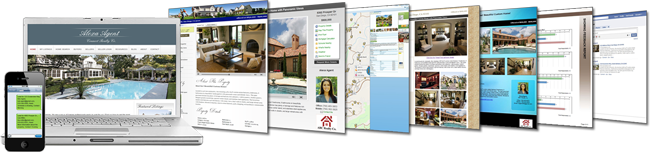
89% of buyers use the internet to search for homes in today's market. Internet marketing is vital in getting your property exposure and being able to reach out to a larger audience of potential buyers. We have an online marketing plan for all of our listings, along with traditional marketing. Our online marketing plan for our listings include Single Property Websites, Virtual Tours, Listing Flyers, Craigslist Ads, ActiveRain Blogs, Showing Feedback System, Listing Syndication, and Social Media Marketing. Leads generated from the listing's online marketing are captured into a Lead Management System for immediate response to potential buyers.
Testimonials
Latest Blog Posts

Happy Valentine's Day from Team Damis

Why Invest in Multi-Family Real Estate? And Why Now?